Introduction
Whether you’re expanding your business, purchasing equipment, managing cash flow or investing in future growth, choosing the right business loan can make a significant difference to your long-term success. For many UK businesses, external funding provides the flexibility to seize new opportunities without placing unnecessary pressure on day-to-day finances.
Today’s business loans market offers far more choice than ever before. Alongside traditional high street banks, businesses can now access funding through specialist lenders, alternative finance providers and commercial finance brokers. As a result, businesses are no longer limited to a single funding source and can compare a wider range of products, repayment structures and lending criteria before making a decision.
However, selecting the right business loan is about more than securing funding. Every lender assesses applications differently, while each finance product is designed to meet different business requirements. Factors such as affordability, repayment flexibility, loan purpose, industry sector and trading history all influence which funding solution may be most suitable. Consequently, understanding how business loans work before applying can improve decision-making and increase the likelihood of securing funding that genuinely supports your business objectives.
Whether you’re looking for a secured business loan, an unsecured business loan, funding to purchase equipment or finance to strengthen working capital, comparing the market has become an essential part of the funding process. Businesses that understand the options available are often better positioned to identify facilities that provide greater flexibility, competitive pricing and long-term value.
This comprehensive guide explains everything UK businesses need to know about business loans, including how they work, the different types of funding available, how lenders assess applications and the practical steps businesses can take to improve their chances of approval. By the end of this guide, you’ll have a clearer understanding of how to compare funding options confidently and choose a solution that supports sustainable business growth.
Key Takeaways
By reading this guide, you’ll learn:
- What a business loan is and how it works.
- The difference between secured and unsecured business loans.
- How lenders assess business loan applications.
- The factors that influence approval and interest rates.
- How to compare different business loan products.
- Common mistakes businesses make when applying for finance.
- How Lend-In compares funding from 120+ UK lenders through one simple application.
Choosing the right business loan is not simply about borrowing money. It’s about selecting a funding solution that supports cash flow, strengthens financial resilience and enables sustainable business growth.
Contents
| Section | Purpose / Description |
|---|---|
| What Is a Business Loan? | Defines a business loan, explains how it works, and outlines its purpose for funding business activities and growth. |
| Why Businesses Use Business Loans | Explores the common reasons businesses borrow money, such as expansion, purchasing equipment, managing cash flow, or funding working capital. |
| Types of Business Loans | Introduces the different types of business loans available, including term loans, short-term loans, revolving credit, and specialist finance options. |
| Secured vs Unsecured Business Loans | Compares secured and unsecured business loans, explaining their key differences, benefits, risks, and typical eligibility requirements. |
| How Business Loans Work in Practice | Explains the application process, loan approval, fund disbursement, repayments, and ongoing borrower responsibilities. |
| Understanding the Business Loan Journey | Walks readers through the end-to-end borrowing process, from assessing funding needs to receiving funds and repaying the loan. |
| How Lenders Assess Business Loan Applications | Describes the factors lenders consider, including credit history, financial performance, affordability, business plans, and trading history. |
| Common Reasons Business Loan Applications Are Declined | Highlights the most common reasons applications are rejected and explains how businesses can address these issues before applying. |
| How to Improve Your Chances of Approval | Provides practical guidance on strengthening a loan application through financial preparation, documentation, and improving creditworthiness. |
| Business Loans vs Other Finance Options | Compares business loans with alternative funding solutions, such as overdrafts, invoice finance, asset finance, and merchant cash advances. |
| Frequently Asked Questions | Answers common questions about business loans, eligibility, interest rates, repayments, application timelines, and lender requirements. |
| Conclusion | Summarises the key points and helps businesses understand how to choose the most suitable borrowing option for their needs. |
| References | Lists the sources, reports, and official guidance used to support the information presented in the guide. |
What Is a Business Loan?
A business loan is a type of finance that provides businesses with access to funding for a specific purpose, such as improving cash flow, purchasing equipment, recruiting employees, investing in growth or covering day-to-day operating costs. Unlike personal borrowing, business loans are designed specifically for commercial use and are typically repaid through fixed monthly instalments or an agreed repayment structure over a defined period.
Businesses of all sizes, from start-ups and sole traders to established SMEs and larger organisations, use business loans to support both short-term financial requirements and long-term strategic objectives. Rather than relying solely on existing cash reserves, a business loan enables companies to invest confidently while maintaining financial flexibility and protecting working capital.
There are many different types of business loans, each designed to meet specific business needs. For example, some businesses require funding to purchase machinery or vehicles, while others may need additional finance to fulfil larger customer contracts, expand into new markets or manage seasonal fluctuations in demand. Consequently, selecting the most appropriate funding solution depends on factors such as the purpose of the loan, repayment preferences, affordability and future business plans.
Unlike a one-size-fits-all product, business loans vary considerably between lenders. Loan amounts, repayment terms, interest rates, eligibility criteria and security requirements can differ significantly. As a result, comparing multiple lenders is often one of the most effective ways to identify funding that aligns with your business’s objectives and financial circumstances.
Ultimately, a business loan should not simply be viewed as a source of funding. When chosen carefully, it becomes a strategic financial tool that helps businesses strengthen cash flow, improve operational flexibility, invest in sustainable growth and respond confidently to new commercial opportunities.
Table 1. Common Uses of Business Loans
| Business Need | How a Business Loan Can Help |
|---|---|
| Improve cash flow | Provides additional working capital to manage everyday operating expenses. |
| Purchase equipment | Enables businesses to invest in machinery, vehicles or technology without large upfront costs. |
| Recruit employees | Supports business expansion by funding recruitment and training costs. |
| Purchase inventory | Helps businesses buy stock ahead of seasonal demand or larger customer orders. |
| Expand operations | Funds new premises, additional locations or market expansion initiatives. |
| Refinance existing borrowing | Consolidates or restructures existing business debt where appropriate. |
| Support business growth | Provides capital to invest in new products, services or commercial opportunities. |
Table 1. Common ways UK businesses use business loans to improve cash flow, invest in growth and strengthen long-term financial performance.
Key Insight
A business loan is more than simply borrowing money. When used strategically, it enables businesses to invest in opportunities, manage cash flow, improve financial resilience and achieve sustainable long-term growth without relying solely on existing cash reserves.
💡 Did You Know?
Many UK businesses approach only their existing bank when applying for a business loan. However, every lender has different eligibility criteria, sector preferences, affordability assessments and pricing structures. As a result, comparing multiple lenders may improve your chances of finding a funding solution that offers greater flexibility, competitive pricing and terms better suited to your business.
Why Businesses Use Business Loans
Businesses take out business loans for many different reasons, but the primary objective is usually the same: to provide the financial flexibility needed to operate, invest and grow without relying solely on existing cash reserves. Whether funding is required for short-term operational needs or long-term strategic investment, the right business loan can help businesses seize opportunities while maintaining healthy cash flow.
Rather than viewing borrowing as a last resort, many successful businesses use business loans proactively to strengthen their financial position. Access to funding enables companies to respond quickly to new opportunities, manage periods of increased demand and invest confidently in projects that support sustainable business growth.
Some of the most common reasons businesses apply for business loans include:
- Improving cash flow and working capital.
- Purchasing machinery, vehicles or specialist equipment.
- Buying inventory ahead of seasonal demand.
- Recruiting and training additional employees.
- Expanding into new markets or opening additional premises.
- Funding larger customer contracts.
- Refinancing existing borrowing.
- Investing in new technology or digital transformation.
- Supporting acquisitions or business expansion.
Although every business has different objectives, the underlying principle remains the same. A well-structured business loan provides access to funding at the right time, allowing businesses to invest in growth while preserving liquidity for everyday operations.
Choosing the appropriate funding solution is equally important. For example, a business purchasing equipment may benefit from a different type of finance than one seeking to improve working capital or manage seasonal fluctuations. Consequently, comparing funding products and repayment structures helps ensure the chosen facility aligns with both immediate requirements and long-term business goals.
Table 2. Common Reasons UK Businesses Apply for Business Loans
| Business Objective | How a Business Loan Supports Growth |
|---|---|
| Improve cash flow | Provides additional liquidity to manage day-to-day operating expenses. |
| Purchase equipment | Enables investment in machinery, vehicles and technology without large upfront costs. |
| Buy inventory | Supports stock purchases before peak trading periods or large customer orders. |
| Recruit employees | Funds recruitment, onboarding and training during business expansion. |
| Expand operations | Helps finance new premises, additional locations or market expansion. |
| Refinance existing borrowing | Consolidates or restructures business debt where appropriate. |
| Invest in technology | Supports digital transformation, automation and productivity improvements. |
| Fund business growth | Provides capital to seize new opportunities and increase revenue potential. |
Table 2. Common reasons UK businesses use business loans to improve cash flow, invest in growth and strengthen long-term financial performance.
⭐ Key Takeaway
A business loan should be viewed as a strategic business tool rather than simply a source of funding. When matched to the right objective, it can improve cash flow, preserve working capital, support expansion and provide the financial flexibility needed for sustainable long-term growth.
💡 Did You Know?
Many lenders specialise in particular industries or funding requirements. For example, some lenders focus on manufacturing, construction or healthcare, while others offer products designed specifically for working capital, equipment purchases or business expansion. Comparing specialist lenders can often uncover funding options that may not be available through a traditional high street bank.
Types of Business Loans
There is no single business loan that suits every business. Instead, lenders offer a wide range of funding solutions, each designed to support different commercial objectives. Understanding the different types of business loans available can help business owners select a funding solution that aligns with their operational requirements, cash flow needs and long-term growth plans.
The most suitable business loan will depend on several factors, including the purpose of the funding, the amount required, repayment preferences and whether security is available. Consequently, comparing different funding options before applying can help businesses identify a solution that provides the right balance of flexibility, affordability and financial support.
Below are some of the most common business loan options available to UK businesses.
Secured Business Loans
A secured business loan is backed by an asset, such as commercial property, machinery or another valuable business asset. Because the lender has additional security, secured loans often provide access to higher borrowing amounts, longer repayment terms and, in some cases, lower interest rates.
Secured business loans are commonly used to fund business expansion, purchase commercial property, invest in equipment or refinance existing borrowing.
Unsecured Business Loans
Unlike secured lending, an unsecured business loan does not usually require a specific business asset as security. Instead, lenders assess factors such as affordability, trading performance, turnover and the overall financial strength of the business.
Unsecured business loans are often suitable for businesses seeking quick access to funding for working capital, equipment purchases, recruitment or day-to-day operating expenses.
Working Capital Loans
A working capital loan is designed to help businesses manage short-term cash flow requirements. Rather than funding long-term investments, this type of finance provides additional liquidity while businesses wait for customer payments or experience seasonal fluctuations.
Working capital loans are frequently used to purchase stock, pay suppliers, cover payroll and fulfil larger customer contracts.
Equipment and Asset Finance
Businesses looking to purchase machinery, vehicles or specialist equipment may benefit from asset finance rather than a traditional business loan. Instead of paying the full purchase price upfront, businesses spread the cost over an agreed period while preserving working capital for everyday operations.
This type of funding is particularly popular within manufacturing, construction, logistics and engineering sectors.
Commercial Mortgages
Businesses purchasing, refinancing or investing in commercial property often choose a commercial mortgage. These facilities typically offer longer repayment terms and are designed specifically for purchasing offices, warehouses, retail premises and other commercial buildings.
Commercial mortgages can support business expansion while allowing companies to build long-term commercial property assets.
Revolving Credit Facilities
A revolving credit facility provides businesses with flexible access to funding without requiring a new application each time finance is needed. Businesses only pay interest on the funds they use, making this type of facility particularly useful for managing changing cash flow requirements and seasonal trading patterns.
Many growing businesses use revolving credit facilities to maintain financial flexibility while avoiding unnecessary borrowing costs.
Table 3. Common Types of Business Loans
| Business Loan Type | Typical Purpose | Suitable For |
|---|---|---|
| Secured Business Loan | Expansion, large investments | Established businesses with security available |
| Unsecured Business Loan | General business funding | SMEs requiring quick access to finance |
| Working Capital Loan | Improve cash flow | Businesses managing short-term funding gaps |
| Asset Finance | Equipment and machinery | Businesses purchasing business assets |
| Commercial Mortgage | Commercial property | Businesses purchasing or refinancing premises |
| Revolving Credit Facility | Flexible ongoing funding | Businesses requiring regular access to finance |
Table 3. Comparison of common business loan options available to UK businesses, highlighting their typical uses and the types of businesses they are most suited to.
💡 Did You Know?
The most suitable business loan is not always the one with the lowest interest rate. Factors such as repayment flexibility, borrowing limits, early settlement terms and the speed of funding can have a significant impact on the overall value of a finance solution. Comparing these features alongside pricing helps businesses make more informed funding decisions.
⭐ Key Takeaway
Understanding the different types of business loans available is an important step when comparing funding options. By selecting a finance solution that aligns with your business objectives, cash flow requirements and growth plans, businesses can access funding that supports both immediate operational needs and long-term success.
Secured vs Unsecured Business Loans: What’s the Difference?
Choosing between a secured business loan and an unsecured business loan is one of the most important decisions businesses make when applying for finance. While both funding solutions provide access to capital, they differ significantly in terms of security requirements, borrowing limits, repayment structures and lender risk.
Understanding these differences can help businesses select a business loan that aligns with their financial position, growth objectives and repayment preferences. Consequently, comparing both options before applying can improve decision-making and increase the likelihood of choosing the most suitable funding solution.
What Is a Secured Business Loan?
A secured business loan requires the borrower to provide security against the funding. This security may include commercial property, equipment, vehicles or other qualifying business assets. By reducing the lender’s risk, secured loans often provide access to higher borrowing limits, longer repayment terms and, in some cases, more competitive interest rates.
Secured business loans are commonly used for larger investments, including purchasing commercial premises, funding expansion projects or acquiring high-value equipment. They are often suitable for established businesses seeking substantial funding while spreading repayments over a longer period.
What Is an Unsecured Business Loan?
An unsecured business loan does not usually require a specific business asset as security. Instead, lenders assess the overall strength of the application by considering factors such as business performance, turnover, profitability, affordability and credit history.
Because there is no asset securing the facility, borrowing limits may be lower and eligibility criteria can differ between lenders. However, unsecured business loans often provide faster access to funding and are commonly used to improve cash flow, purchase inventory, recruit employees or fund day-to-day business operations.
Table 4. Secured vs Unsecured Business Loans
| Feature | Secured Business Loan | Unsecured Business Loan |
|---|---|---|
| Security required | Yes | Usually no |
| Borrowing potential | Typically higher | Typically lower |
| Repayment terms | Often longer | Usually shorter to medium term |
| Interest rates | May be lower depending on the application | Vary based on affordability and lender assessment |
| Speed of funding | May take longer due to security checks | Often quicker to arrange |
| Suitable for | Property, expansion and major investments | Cash flow, growth and operational funding |
Table 4. Comparison of secured and unsecured business loans, highlighting the key differences in security requirements, borrowing capacity, repayment terms and typical business use cases.
Which Business Loan Is Right for Your Business?
There is no universal answer when choosing between a secured and unsecured business loan. The most appropriate solution depends on your business objectives, financial position and the purpose of the funding.
For example, a business purchasing commercial property or making a significant capital investment may benefit from a secured facility with longer repayment terms. Conversely, a business looking to improve cash flow, purchase stock or respond quickly to new opportunities may prefer the flexibility and speed of an unsecured business loan.
Rather than focusing solely on interest rates, businesses should also consider repayment flexibility, total borrowing costs, funding timescales and whether the finance solution aligns with their long-term plans. Comparing multiple lenders can help identify funding that provides the right balance of affordability, flexibility and financial support.
💡 Did You Know?
Some lenders specialise exclusively in secured business loans, while others focus on unsecured business loans or specific industries. Comparing lenders rather than relying on a single provider can increase the likelihood of finding funding that better matches your business’s requirements.
⭐ Key Takeaway
Choosing between a secured and unsecured business loan is about more than whether security is required. The best funding solution is the one that aligns with your business objectives, cash flow requirements, repayment preferences and future growth plans.
Why This Comparison Matters
Understanding the difference between secured and unsecured business loans enables businesses to compare funding options more effectively and approach lenders with greater confidence. By evaluating the advantages, limitations and suitability of each option, business owners can make informed decisions that support sustainable growth while protecting long-term financial stability.
How Business Loans Work in Practice
Understanding how a business loan works in a real-world scenario can make the application process much easier to understand. While every business has different funding requirements, the overall journey typically follows the same principles. Businesses identify a funding need, compare suitable finance options, receive funding and repay the loan over an agreed period while using the finance to achieve a specific commercial objective.
Rather than being used only during periods of financial difficulty, business loans are frequently used by profitable businesses to support expansion, strengthen cash flow and invest in opportunities that generate long-term value. Consequently, many businesses view borrowing as a strategic financial decision rather than simply a source of emergency funding.
A Practical Example
Imagine a manufacturing business secures a contract worth £750,000 from a new customer. Winning the contract represents a significant growth opportunity, but fulfilling the order requires substantial investment before any income is received.
The business must purchase raw materials, increase production capacity and recruit temporary staff to complete the work. Although the contract is profitable, customer payment will not be received until 60 days after delivery, creating a temporary funding gap.
Instead of delaying production or placing unnecessary pressure on existing cash reserves, the business secures a business loan to fund the upfront operating costs. This enables materials to be purchased immediately, production to continue without interruption and customer deadlines to be met.
Once the customer settles the invoice, the business continues repaying the loan according to the agreed repayment schedule while benefiting from increased revenue generated by the completed contract. By using finance strategically, the business maintains healthy cash flow, fulfils a valuable customer order and supports long-term growth without restricting day-to-day operations.
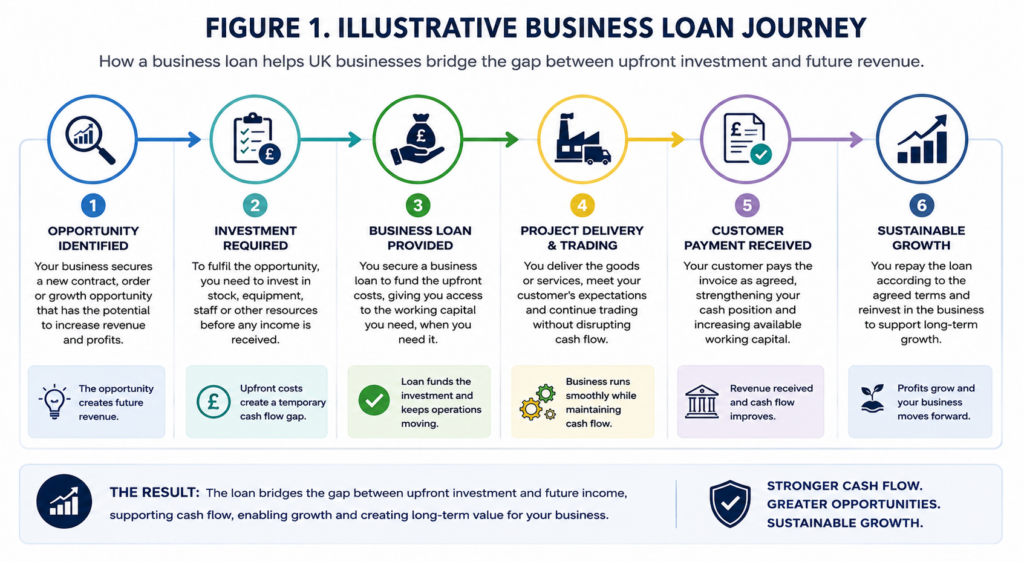
Figure 1. Illustrative Business Loan Journey
This illustration demonstrates how a business loan can help UK businesses bridge the gap between upfront investment and future revenue. By providing access to funding when it is needed most, business loans enable companies to maintain cash flow, invest confidently and support sustainable business growth.
Understanding the Business Loan Journey
The business loan journey demonstrates how funding supports businesses throughout each stage of growth. Rather than waiting until customer payments are received, businesses can access finance to fund operational costs, invest in new opportunities and maintain business continuity.
As shown in Figure 1, funding is typically used after a commercial opportunity has been secured but before revenue is received. During this period, businesses may need to purchase stock, pay suppliers, recruit additional employees or invest in equipment to deliver the project successfully. Consequently, a business loan helps bridge this temporary funding gap while preserving liquidity and reducing pressure on existing cash reserves.
Once the project has been completed and customer payment is received, the business continues operating with stronger cash flow and increased revenue while repaying the loan according to the agreed terms. This approach enables businesses to pursue growth opportunities without delaying investment or compromising financial stability.
Table 5. Typical Business Loan Journey
| Stage | Business Activity | How the Business Loan Helps |
|---|---|---|
| Opportunity Identified | Business secures a new contract or investment opportunity | Funding becomes available before costs are incurred |
| Investment Required | Purchase stock, equipment or recruit staff | Loan provides immediate access to working capital |
| Project Delivery | Goods or services are delivered to the customer | Business continues operating without disrupting cash flow |
| Customer Payment | Customer settles the invoice | Revenue strengthens liquidity while repayments continue |
| Sustainable Growth | Business reinvests and expands operations | Funding supports future opportunities and long-term growth |
Table 5. Illustrative business loan journey showing how funding supports UK businesses from initial opportunity through to successful project completion and sustainable growth.
💡 Did You Know?
Many successful businesses apply for a business loan before they urgently need funding. Planning ahead allows businesses to compare lenders, secure more suitable repayment terms and access finance quickly when commercial opportunities arise.
⭐ Key Takeaway
A business loan is often most effective when used proactively rather than reactively. Access to the right funding at the right time enables businesses to maintain cash flow, deliver customer projects, invest in growth and strengthen long-term financial resilience.
Why This Matters for UK Businesses
Many businesses assume finance should only be considered when cash flow becomes difficult. In reality, some of the most successful companies use business loans as part of their wider growth strategy. By securing funding before it becomes critical, businesses can respond more quickly to new opportunities, negotiate with confidence and continue investing in their future without unnecessary financial constraints.
How Lenders Assess Business Loan Applications
Applying for a business loan involves more than completing an application form. Before approving funding, lenders carefully assess several aspects of a business to determine whether the requested finance is affordable, appropriate and aligned with the business’s financial position. Understanding these assessment criteria can help businesses prepare stronger applications and improve their chances of securing funding.
Although every lender has its own underwriting process, most consider a similar combination of financial and operational factors. Consequently, businesses that prepare accurate information and understand how applications are assessed are often better positioned to access suitable business finance.
One of the first areas lenders review is the overall financial health of the business. This typically includes turnover, profitability, existing financial commitments and the ability to comfortably manage future loan repayments. Rather than focusing on a single figure, lenders assess the overall financial picture to understand whether the business can support additional borrowing responsibly.
Lenders also consider the purpose of the funding. Applications that clearly explain how the business loan will be used often provide greater confidence than those without a defined objective. Whether funding is required to purchase equipment, improve cash flow, recruit employees or support expansion, demonstrating a clear commercial purpose helps lenders understand how the finance will benefit the business.
Trading history also plays an important role. Established businesses with a consistent trading record may have access to a wider range of funding options. However, newer businesses and start-ups may still qualify for finance, particularly where there is strong financial performance, experienced directors or a well-prepared business plan.
In addition, lenders review factors such as director and business credit history, existing borrowing commitments, industry sector and, where applicable, any security available to support the application. These considerations help lenders assess overall risk while identifying funding solutions that are appropriate for the business’s circumstances.
Ultimately, no single factor determines whether a business loan is approved. Instead, lenders assess the application as a whole, balancing affordability, financial performance, repayment capacity and the purpose of the funding before reaching a decision.
Table 6. Key Factors Lenders Consider When Assessing Business Loan Applications
| Assessment Area | Why It Matters |
|---|---|
| Business turnover | Demonstrates trading activity and repayment capacity. |
| Profitability | Indicates the ability to comfortably manage loan repayments. |
| Cash flow | Helps assess liquidity and ongoing financial stability. |
| Trading history | Provides evidence of business performance and experience. |
| Existing borrowing | Influences affordability and overall financial commitments. |
| Director and business credit profile | Helps lenders evaluate financial reliability and risk. |
| Purpose of funding | Demonstrates how the finance will support the business. |
| Industry sector | Some lenders specialise in particular industries or sectors. |
| Security (where applicable) | May improve access to larger borrowing amounts or longer repayment terms. |
Table 6. Key factors commonly considered by UK lenders when assessing business loan applications and determining eligibility for commercial finance.
⭐ Expert Tip
Preparing a complete and well-organised application can significantly improve the overall funding process. Providing up-to-date financial information, clearly explaining how the business loan will be used and responding promptly to lender requests may help reduce delays while demonstrating that your business is well prepared.
💡 Did You Know?
Being declined by one lender does not necessarily mean your business is ineligible for finance. Every lender has different underwriting criteria, sector preferences and risk appetite. As a result, a business that does not meet one lender’s requirements may still qualify for funding through another provider.
✅ Key Takeaway
Successful business loan applications are built on preparation rather than chance. Understanding how lenders assess affordability, financial performance and business objectives enables companies to submit stronger applications while improving their chances of securing suitable funding.
Common Documents Lenders May Request
Although documentation requirements vary between lenders, businesses are commonly asked to provide:
- The last 6–12 months of business bank statements.
- The most recent filed accounts.
- Current management accounts (where available).
- Details of existing borrowing commitments.
- Proof of business identity and registered address.
- Director identification and proof of address.
- Information explaining how the funding will be used.
Preparing these documents before applying can help streamline the process and reduce unnecessary delays.
Why This Matters for UK Businesses
Understanding how lenders evaluate applications allows businesses to prepare more effectively and avoid common mistakes. Rather than submitting multiple applications without a clear strategy, businesses that understand lender expectations are often able to compare funding options more efficiently, improve approval prospects and identify finance solutions that genuinely support long-term growth.
Common Reasons Business Loan Applications Are Declined
Being declined for a business loan does not necessarily mean a business is unsuccessful or unable to secure funding in the future. Every lender has its own underwriting criteria, risk appetite and lending policies, meaning an application declined by one lender may be approved by another. Understanding the most common reasons applications are declined can help businesses strengthen future applications and improve their chances of securing suitable funding.
Although every application is assessed individually, lenders typically look for clear evidence that a business can comfortably manage the proposed repayments while using the funding for a genuine commercial purpose. Consequently, preparing a well-structured application supported by accurate financial information can make a significant difference.
Below are some of the most common reasons business loan applications may be declined.
Insufficient Affordability
One of the most common reasons for a declined application is affordability. Lenders need confidence that a business can comfortably meet its monthly repayments while continuing to manage everyday operating costs.
If projected repayments place excessive pressure on cash flow, the lender may conclude that the facility is unsuitable. Demonstrating stable revenue, healthy profitability and consistent financial performance can help strengthen affordability assessments.
Limited Trading History
Many lenders prefer businesses with an established trading history because it provides greater insight into financial performance and stability. However, this does not mean newer businesses cannot obtain finance.
Some lenders specialise in supporting start-ups and younger businesses, particularly where directors have relevant industry experience or a strong business plan.
Poor or Inconsistent Cash Flow
Even profitable businesses can experience fluctuating cash flow. If bank statements show regular financial pressure or inconsistent trading performance, lenders may request additional information before making a decision.
Maintaining healthy cash flow and providing accurate financial records helps demonstrate that the business can support additional borrowing.
Existing Borrowing Commitments
Lenders review current borrowing alongside any new funding request. High levels of existing debt do not automatically prevent approval, but they can influence affordability calculations and the overall lending decision.
Providing clear information about existing facilities allows lenders to assess the complete financial picture more accurately.
Adverse Credit History
Business and director credit history may form part of a lender’s assessment. Previous missed payments, defaults or insolvencies can affect eligibility with some lenders, although many specialist lenders consider applications on a case-by-case basis.
Improving credit management over time can increase the range of funding options available.
Unclear Purpose for the Funding
Lenders generally prefer applications that clearly explain how the business loan will be used and how it will benefit the business.
Whether funding is intended to improve cash flow, purchase equipment, expand operations or invest in new opportunities, providing a clear commercial rationale demonstrates planning and reduces uncertainty.
Table 7. Common Reasons Business Loan Applications Are Declined
| Reason | How Businesses Can Improve Their Application |
|---|---|
| Insufficient affordability | Demonstrate strong cash flow and sustainable repayment capacity. |
| Limited trading history | Provide management accounts, forecasts and a detailed business plan where appropriate. |
| Poor cash flow | Improve cash flow management and explain temporary fluctuations. |
| Existing borrowing | Clearly disclose current commitments and repayment performance. |
| Credit history concerns | Maintain good payment habits and provide additional supporting information if required. |
| Unclear funding purpose | Explain exactly how the funding will support business objectives and growth. |
Table 7. Common reasons business loan applications may be declined and practical steps businesses can take to improve future funding applications.
⭐ Expert Tip
A declined application should be viewed as valuable feedback rather than the end of the funding process. Understanding why a lender declined the application allows businesses to address specific concerns before approaching another provider. Since every lender has different criteria, comparing multiple funding options can often lead to a different outcome.
💡 Did You Know?
Many businesses assume a declined application means they are no longer eligible for finance. In reality, lenders assess risk differently, and specialist lenders may consider applications that fall outside the criteria of traditional banks. Comparing the wider market can significantly increase the likelihood of finding a suitable funding solution.
✅ Key Takeaway
Most business loan applications are strengthened through preparation, not luck. By understanding the factors lenders assess and addressing potential weaknesses before applying, businesses can improve approval prospects while identifying funding solutions that better suit their circumstances.
How to Reduce the Risk of a Declined Business Loan Application
Before submitting a business loan application, businesses can improve their chances of success by taking a few practical steps:
- Review recent business bank statements for consistency.
- Ensure accounts and financial records are accurate and up to date.
- Clearly define the purpose of the funding.
- Calculate affordable monthly repayments before applying.
- Compare multiple lenders rather than relying on a single provider.
- Seek guidance from an experienced commercial finance specialist where appropriate.
Taking these steps can help businesses present a stronger application while increasing the likelihood of securing funding that supports long-term growth.
How to Improve Your Chances of Business Loan Approval
Preparing a strong business loan application begins long before submitting your documents. While every lender has different eligibility criteria, businesses that present accurate financial information, demonstrate affordability and clearly explain the purpose of the funding are often better positioned to secure approval.
Rather than applying to multiple lenders without a clear strategy, businesses should focus on preparing a complete and well-supported application. Taking time to understand lender expectations can improve approval prospects, reduce unnecessary delays and help identify a business loan that aligns with both immediate funding requirements and long-term business objectives.
The following best practices can help strengthen your application.
Maintain Accurate Financial Records
Lenders rely on financial information to assess affordability and overall business performance. Providing up-to-date accounts, management information and recent business bank statements helps demonstrate transparency while allowing lenders to make informed lending decisions.
Businesses with well-organised financial records often experience a smoother application process because lenders can assess affordability more efficiently.
Clearly Explain the Purpose of the Loan
A strong application should explain exactly how the business loan will be used and how it will benefit the business.
Whether funding is intended to improve cash flow, purchase equipment, recruit employees or support expansion, providing a clear commercial purpose demonstrates planning and gives lenders greater confidence in the application.
Demonstrate Affordable Repayments
Affordability is one of the most important aspects of any business loan application. Lenders need confidence that repayments can be comfortably managed alongside existing financial commitments.
Before applying, businesses should consider how the proposed repayments fit within projected income and expenditure. Choosing a funding solution that matches the business’s cash flow profile can improve long-term financial stability while reducing repayment pressure.
Compare Multiple Lenders
Every lender has different underwriting criteria, sector preferences and funding products. As a result, comparing multiple providers often gives businesses access to a wider range of business loan options than approaching a single bank.
Reviewing different lenders can also help businesses identify more suitable repayment structures, competitive pricing and funding solutions designed for their specific industry or circumstances.
Prepare Supporting Documentation
Providing complete documentation from the outset can reduce delays and improve the overall application process.
Although requirements vary, lenders commonly request:
- Recent business bank statements
- Filed accounts
- Current management accounts
- Details of existing borrowing
- Director identification
- Information explaining how the funding will be used
Preparing these documents before applying allows lenders to assess applications more efficiently.
Table 8. Practical Ways to Improve Business Loan Approval
| Action | Why It Helps |
|---|---|
| Keep financial records up to date | Demonstrates transparency and supports affordability assessments. |
| Explain the purpose of the funding | Helps lenders understand how the finance will support the business. |
| Review affordability before applying | Reduces the risk of requesting unsuitable borrowing levels. |
| Compare multiple lenders | Increases access to funding options with different lending criteria. |
| Prepare supporting documents | Speeds up underwriting and reduces avoidable delays. |
| Seek professional guidance | Helps identify suitable funding solutions before applying. |
Table 8. Practical steps businesses can take to improve their chances of securing a business loan while strengthening the overall funding application.
⭐ Expert Tip
Applying for the right business loan is often more important than applying for the largest loan. Selecting a funding solution that matches your business’s objectives, cash flow and repayment capacity can improve affordability, strengthen lender confidence and support sustainable long-term growth.
💡 Did You Know?
Many businesses improve their approval prospects simply by applying through a lender whose criteria match their circumstances. Since underwriting requirements vary across the market, comparing multiple lenders can often uncover funding opportunities that would not be available through a single provider.
✅ Key Takeaway
Strong business loan applications are built on preparation, transparency and choosing the right lender. By understanding what lenders look for and presenting a well-prepared application, businesses can improve approval prospects while securing funding that supports long-term success.
Common Mistakes to Avoid
Even financially healthy businesses can reduce their chances of approval by making avoidable mistakes during the application process. Before applying, consider avoiding the following:
- Applying for more funding than the business genuinely requires.
- Submitting outdated or incomplete financial information.
- Failing to explain how the funding will be used.
- Applying to a lender whose criteria do not match the business.
- Overlooking affordability when selecting repayment terms.
- Waiting until cash flow becomes critical before exploring funding options.
Avoiding these common mistakes can help create a stronger application while improving the likelihood of securing suitable finance.
Why This Matters for UK Businesses
A successful business loan application is rarely based on a single factor. Instead, it reflects careful preparation, realistic borrowing expectations and selecting a lender whose funding criteria align with the business’s financial position and objectives. Businesses that invest time in preparing their application are often better placed to access competitive funding while building stronger financial foundations for future growth.
Business Loans vs Other Business Finance Options
Choosing the right business finance solution is about more than securing funding. While business loans remain one of the most popular forms of commercial finance, they are not always the most suitable option for every business. Depending on your objectives, cash flow requirements and repayment preferences, alternative funding solutions may provide greater flexibility or better align with your operational needs.
Understanding the differences between the most common business finance products enables business owners to compare funding options more effectively and make informed financial decisions. Consequently, selecting the right facility can improve cash flow, strengthen financial resilience and support sustainable long-term business growth.
Business Loans
A traditional business loan provides a fixed amount of funding that is repaid over an agreed period through scheduled repayments. Business loans are commonly used to finance expansion, purchase equipment, recruit employees or invest in long-term growth initiatives.
They are often suitable for businesses requiring a clearly defined borrowing amount with predictable repayment terms.
Working Capital Finance
Unlike a traditional business loan, working capital finance is designed to support short-term operational requirements rather than long-term investment.
Businesses commonly use working capital facilities to bridge temporary cash flow gaps, purchase inventory, cover payroll or fulfil larger customer contracts before receiving payment.
Invoice Finance
Invoice finance enables businesses to unlock cash tied up in unpaid customer invoices. Rather than waiting for customers to settle invoices, businesses can access a proportion of the invoice value earlier, improving liquidity without waiting for agreed payment terms.
Invoice finance is particularly popular in sectors with longer payment cycles, including manufacturing, recruitment, logistics and wholesale.
Asset Finance
Asset finance helps businesses purchase equipment, machinery or vehicles without paying the full purchase price upfront.
Instead of using valuable working capital, businesses spread the cost over an agreed period while benefiting from the asset immediately. This type of finance is frequently used by construction, engineering, manufacturing and transport businesses.
Revolving Credit Facilities
A revolving credit facility provides ongoing access to funding that businesses can draw down as required. Interest is generally charged only on the funds used, making this option suitable for businesses seeking flexibility to manage changing cash flow requirements.
Table 9. Business Loans Compared with Other Finance Options
| Finance Solution | Best Used For | Typical Benefit |
|---|---|---|
| Business Loans | Business expansion and investment | Predictable repayments and structured funding |
| Working Capital Finance | Short-term cash flow | Improves liquidity during trading cycles |
| Invoice Finance | Unpaid customer invoices | Releases cash tied up in invoices |
| Asset Finance | Equipment and machinery | Preserves working capital while acquiring assets |
| Revolving Credit Facility | Flexible access to funding | Interest typically charged only on funds drawn |
Table 9. Comparison of common business finance solutions available to UK businesses, helping directors identify the most appropriate funding option based on their business objectives.
Which Business Finance Option Is Right for Your Business?
There is no single funding solution that suits every business. The most appropriate option depends on several factors, including the purpose of the finance, repayment preferences, industry sector and future growth plans.
For example, a business investing in new machinery may benefit from asset finance, while another experiencing temporary cash flow pressures may find working capital finance more suitable. Businesses waiting for customer payments could consider invoice finance, whereas companies planning long-term expansion may prefer a traditional business loan.
Rather than focusing solely on interest rates, businesses should evaluate overall flexibility, affordability, repayment structures and how each funding solution supports their long-term objectives.
⭐ Expert Tip
The most suitable business finance solution is not always the one with the lowest headline interest rate. Choosing a facility that matches your cash flow cycle, repayment preferences and business objectives often delivers greater long-term value than focusing on pricing alone.
💡 Did You Know?
Many UK businesses combine multiple funding solutions rather than relying on a single product. For example, a company may use asset finance to purchase equipment while maintaining a revolving credit facility or working capital finance to support day-to-day cash flow. Selecting the right combination of funding can improve financial flexibility as the business grows.
✅ Key Takeaway
Every business finance solution is designed to solve a different challenge. Understanding the strengths of each option allows businesses to choose funding that supports their objectives, improves cash flow and creates a stronger foundation for sustainable long-term growth.
Why This Matters for UK Businesses
The UK commercial finance market offers far more choice than many business owners realise. By comparing business loans, working capital finance, asset finance, invoice finance and other funding options, businesses can identify solutions tailored to their specific circumstances rather than accepting a one-size-fits-all approach. Making an informed decision today can improve financial flexibility, strengthen resilience and create greater opportunities for future growth.
If you are planning to buy or refinance business premises, Lend-In can help you compare business loans and commercial finance options from a wide panel of UK lenders.
How Lend-In Helps Businesses Compare Business Loans
Finding the right business loan is about more than identifying a lender willing to provide funding. Every lender has different eligibility criteria, affordability assessments, repayment structures and sector preferences. Consequently, a funding solution that is suitable for one business may not be appropriate for another.
Rather than approaching lenders individually, many UK businesses choose to compare multiple funding providers before making a decision. Comparing the market provides greater visibility of available finance options while helping businesses identify facilities that better align with their objectives, financial position and future growth plans.
At Lend-In, we help businesses compare business loans and commercial finance solutions from more than 120 UK lenders through a single application. Instead of completing multiple applications, businesses can explore a wide range of funding options while receiving guidance throughout the process from an experienced commercial finance specialist.
Our objective is not simply to help businesses secure funding, but to help them identify a finance solution that supports sustainable growth. Whether the priority is improving cash flow, purchasing equipment, refinancing existing borrowing or investing in expansion, comparing multiple lenders allows businesses to make informed financial decisions with greater confidence.
Why Compare Business Loans?
Comparing business loans offers several important advantages beyond simply identifying the lowest interest rate. Different lenders have varying approaches to affordability, industry sectors, repayment flexibility and funding limits. As a result, exploring multiple options may increase the likelihood of securing finance that better reflects your business’s individual circumstances.
Businesses that compare funding solutions often benefit from:
- Access to a wider panel of UK lenders.
- Funding options tailored to different industries.
- Greater repayment flexibility.
- Competitive pricing and transparent terms.
- Finance solutions designed around business objectives rather than one-size-fits-all products.
- Expert guidance throughout the funding process.
Table 10. Benefits of Comparing Business Loans
| Benefit | How It Supports Your Business |
|---|---|
| Access to multiple lenders | Increases the range of funding options available. |
| Greater product choice | Helps identify finance suited to different business requirements. |
| Competitive funding solutions | Enables businesses to compare pricing and repayment structures. |
| Flexible lending options | Supports changing business needs and future growth. |
| Industry expertise | Some lenders specialise in particular sectors or funding requirements. |
| Guided application process | Reduces complexity while improving confidence throughout the funding journey. |
Table 10. Benefits of comparing business loans from multiple UK lenders before selecting a commercial finance solution.
Why Businesses Choose Lend-In
Every business has unique funding requirements, which is why our approach focuses on understanding your objectives before recommending suitable funding options.
Working with Lend-In provides access to:
- 120+ UK lenders
- Business Loans
- Commercial Finance
- Working Capital Finance
- Asset Finance
- Invoice Finance
- Revolving Credit Facilities
- Commercial Mortgages
- Dedicated support throughout the funding process
- Transparent guidance with no unnecessary complexity
Rather than promoting a single lender or product, we compare the market to help businesses explore funding solutions that support their individual circumstances and long-term ambitions.
⭐ Expert Tip
Comparing multiple business loan options is about finding the right fit for your business, not simply the cheapest headline rate. Factors such as repayment flexibility, lender expertise, funding speed and long-term affordability can have a significant impact on the overall value of a finance solution.
💡 Did You Know?
Two businesses with almost identical financial performance can receive very different funding offers because lenders have different underwriting criteria, sector preferences and risk appetite. Comparing multiple lenders increases the likelihood of identifying a funding solution that better matches your business’s requirements.
✅ Key Takeaway
Choosing the right business loan starts with comparing the market. By understanding the options available and exploring funding from multiple lenders, businesses can make informed financial decisions that support cash flow, strengthen resilience and enable sustainable long-term growth.
Why This Matters for UK Businesses
The UK business finance market continues to evolve, giving businesses access to a wider range of funding solutions than ever before. Taking the time to compare lenders, understand product features and seek expert guidance can help businesses identify finance that aligns with their objectives rather than settling for the first available option. An informed decision today can provide greater financial flexibility and support future business success.
Frequently Asked Questions
A business loan is a type of finance that provides businesses with access to funding for purposes such as improving cash flow, purchasing equipment, hiring staff, expanding operations or investing in future growth. Repayments are usually made over an agreed term according to the loan agreement.
Most UK businesses can apply for a business loan, including limited companies, sole traders, partnerships and limited liability partnerships (LLPs). Eligibility varies between lenders and typically depends on factors such as trading history, turnover, affordability and the purpose of the funding.
Businesses commonly use business loans to:
Improve cash flow
Purchase equipment or machinery
Buy inventory
Recruit employees
Expand into new markets
Refinance existing borrowing
Purchase commercial property
Fund business growth
The amount available depends on the lender, the financial strength of the business and the purpose of the funding. Some lenders provide smaller loans for day-to-day operations, while others offer significantly larger facilities for business expansion or commercial property purchases.
A secured business loan is supported by an asset, such as commercial property or equipment, whereas an unsecured business loan does not usually require specific security. The most suitable option depends on your business’s financial circumstances and funding objectives.
Timescales vary depending on the lender and the complexity of the application. Some business loans can be approved and funded quickly, while larger or secured facilities may take longer due to additional underwriting and legal processes.
Although requirements differ between lenders, businesses are commonly asked to provide:
Business bank statements
Filed accounts
Management accounts
Details of existing borrowing
Director identification
Information explaining how the funding will be used
Preparing these documents in advance can help streamline the application process.
Yes. Some lenders offer business loans for start-ups and newer businesses. Eligibility is often assessed using factors such as the directors’ experience, projected affordability, business plans and expected trading performance.
Some business loans, particularly unsecured facilities, may require a personal guarantee from one or more directors. Whether a guarantee is required depends on the lender, the funding amount and the individual circumstances of the application.
Lenders typically consider turnover, profitability, affordability, cash flow, trading history, existing borrowing, credit history and the purpose of the funding. Every lender applies its own underwriting criteria, which is why outcomes can differ across the market.
Many lenders allow early repayment, although some facilities may include early settlement charges. Before accepting a business loan, it is important to review the repayment terms and any associated fees.
Some lenders carry out credit searches during the application process. The impact depends on the type of search performed and the lender’s procedures. If you are comparing funding options, ask how enquiries will be recorded before submitting a full application.
Businesses can strengthen their application by maintaining accurate financial records, demonstrating affordability, clearly explaining the purpose of the funding and comparing lenders whose criteria align with their circumstances.
Yes. Every lender has different lending criteria, pricing structures and sector preferences. Comparing multiple business loan providers can help businesses identify funding solutions that better match their objectives, repayment preferences and financial position.
Lend-In compares business loans and commercial finance solutions from more than 120 UK lenders, helping businesses explore funding options through a single application. By comparing multiple lenders, businesses can identify finance solutions that support cash flow, business growth and long-term financial resilience.
Yes. A declined application from one lender does not necessarily mean your business is unable to secure finance. Every lender has different eligibility criteria, sector preferences and underwriting processes. In many cases, businesses that are declined by one provider may still qualify for funding elsewhere. Understanding the reason for the initial decline and comparing lenders whose criteria better match your circumstances can improve your chances of finding a suitable funding solution.
This question is valuable because it addresses a genuine concern many applicants have, adds depth to your guide, and helps differentiate your content from shorter, less comprehensive articles.
⭐ Key Takeaway
Every business has different funding requirements, which is why there is no one-size-fits-all business loan. Understanding how business loans work, comparing lenders and selecting a funding solution that aligns with your objectives can help your business make informed financial decisions and support sustainable long-term growth.
Conclusion: Choosing the Right Business Loan for Long-Term Success
Selecting the right business loan is about far more than accessing funding. Whether your objective is to improve cash flow, purchase equipment, recruit employees, expand into new markets or invest in future growth, choosing a funding solution that aligns with your business objectives can strengthen financial resilience and support long-term success.
As this guide has demonstrated, there is no single business loan that suits every business. From secured and unsecured business loans to working capital finance, asset finance and commercial mortgages, every funding solution is designed to support different commercial requirements. Understanding these options, comparing lenders and selecting an appropriate repayment structure enables businesses to make informed financial decisions that support sustainable growth.
Equally important is understanding how lenders assess applications. Preparing accurate financial information, demonstrating affordability and clearly explaining the purpose of the funding can significantly improve the overall application process. Businesses that invest time in preparing their application and comparing multiple lenders are often better positioned to identify finance solutions that offer greater flexibility and long-term value.
At Lend-In, we help UK businesses compare business loans and commercial finance solutions from more than 120 UK lenders through a single application. Rather than approaching lenders individually, businesses can explore a wide range of funding options while receiving guidance from experienced commercial finance specialists who understand the importance of finding funding that genuinely supports long-term business success.
Ultimately, the most effective business loan is not simply the one with the lowest headline interest rate. It is the funding solution that provides the right balance of affordability, flexibility and support to help your business achieve its goals both today and in the future.
⭐ Final Takeaway
Choosing the right business loan begins with understanding your options. By comparing multiple lenders, preparing a strong application and selecting funding that aligns with your business objectives, UK businesses can improve cash flow, invest with confidence and build a stronger foundation for sustainable long-term growth.
References
Bank of England – Credit Conditions Survey
British Business Bank – Small Business Finance Markets Report
UK Finance – Business Finance and Lending
Financial Conduct Authority (FCA) – Consumer and Commercial Lending Guidance
Companies House – Guidance for UK Companies